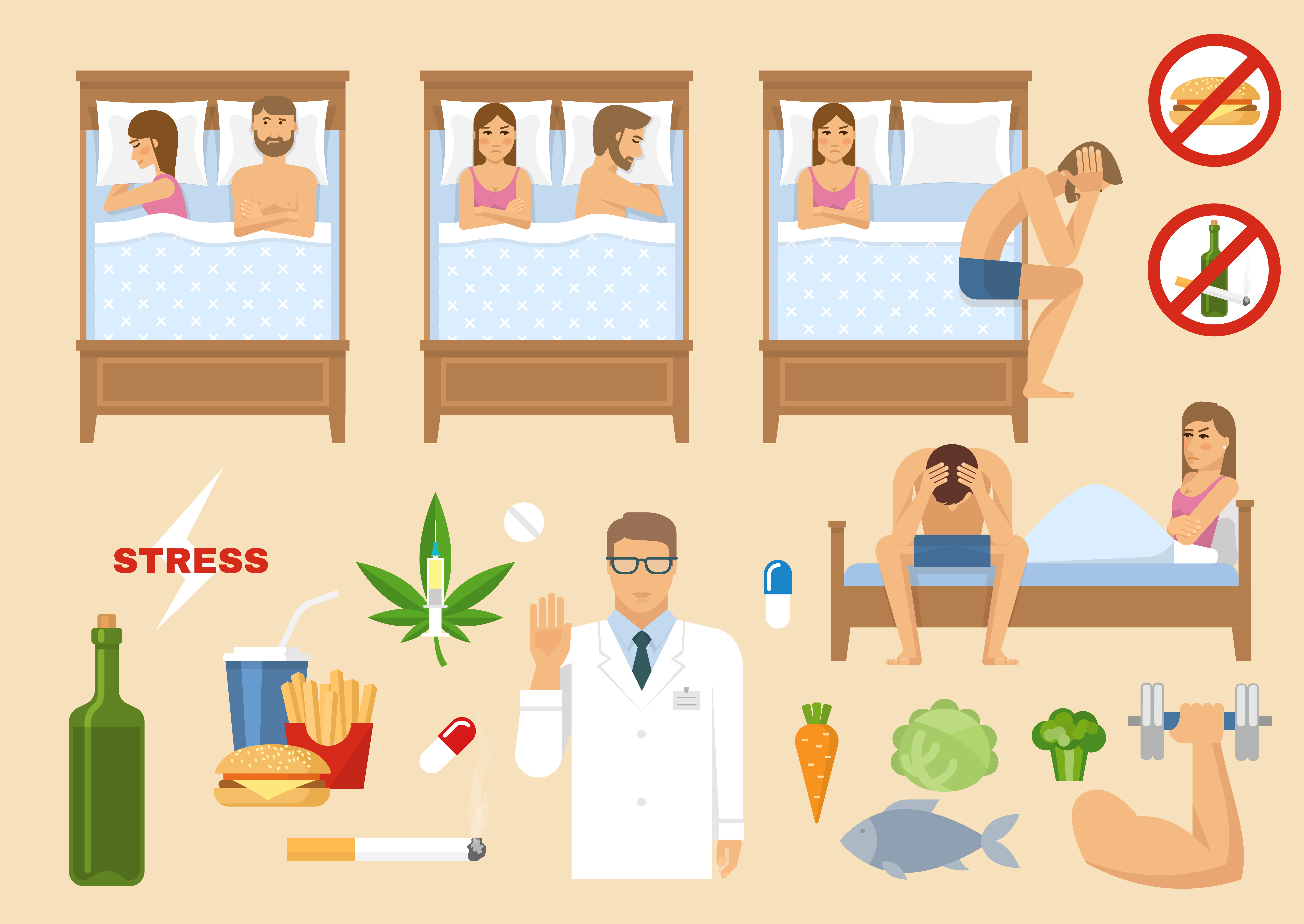
Blog 1 – Psychological Factors in Erectile Dysfunction
Anxiety, performance pressure, relationship strain, and anticipatory stress can meaningfully change erectile response.
Blog hub with long-form, unique articles on ED causes, treatment education, vascular health, anxiety, and patient counseling.

Blog – Erectile Dysfunction and Sexual Health Articles serves as the main educational hub for readers who want broader context before choosing a medication page. A strong medical blog should not recycle the same paragraph on every page. It should organize symptoms, causes, treatment comparisons, and counseling questions into distinct article paths that help different readers find the right entry point.
Some visitors arrive ready to compare drugs, while others are still trying to understand whether their symptoms are vascular, psychological, hormonal, medication-related, or linked to pelvic pain. A blog creates space to answer those early-stage questions without forcing every topic into a product page.
Blog posts create a topic cluster around erectile dysfunction treatment by linking broad educational content to specific medication pages, physician-guidance pages, and comparison resources. When those links are placed naturally, the site becomes easier to crawl and more useful to real readers.
The best blog content starts with a real patient problem and then explains it clearly. Articles should cover symptom patterns, risk factors, therapy expectations, diagnostic questions, and situations where a prescription conversation is necessary. That creates stronger engagement than generic filler text.
This blog hub links to three long-form articles: one on psychological factors in erectile dysfunction, one on vascular causes and blood-flow limitations, and one on lifestyle and metabolic issues that change treatment response. Together they create a richer content path for patients comparing medication, diagnosis, and long-term management.
Each blog article is written to stand alone, but the pages are even more valuable when read alongside the ED treatment guide, comparison pages, and medication-specific resources. This layered structure helps readers move from general education into more precise questions for a medical consultation.
Search performance improves when each article covers a distinct angle rather than repeating the same lines with a different headline. That is why every page in this cluster uses its own opening, section focus, and internal-link purpose.
Anxiety, performance pressure, relationship strain, and anticipatory stress can meaningfully change erectile response.
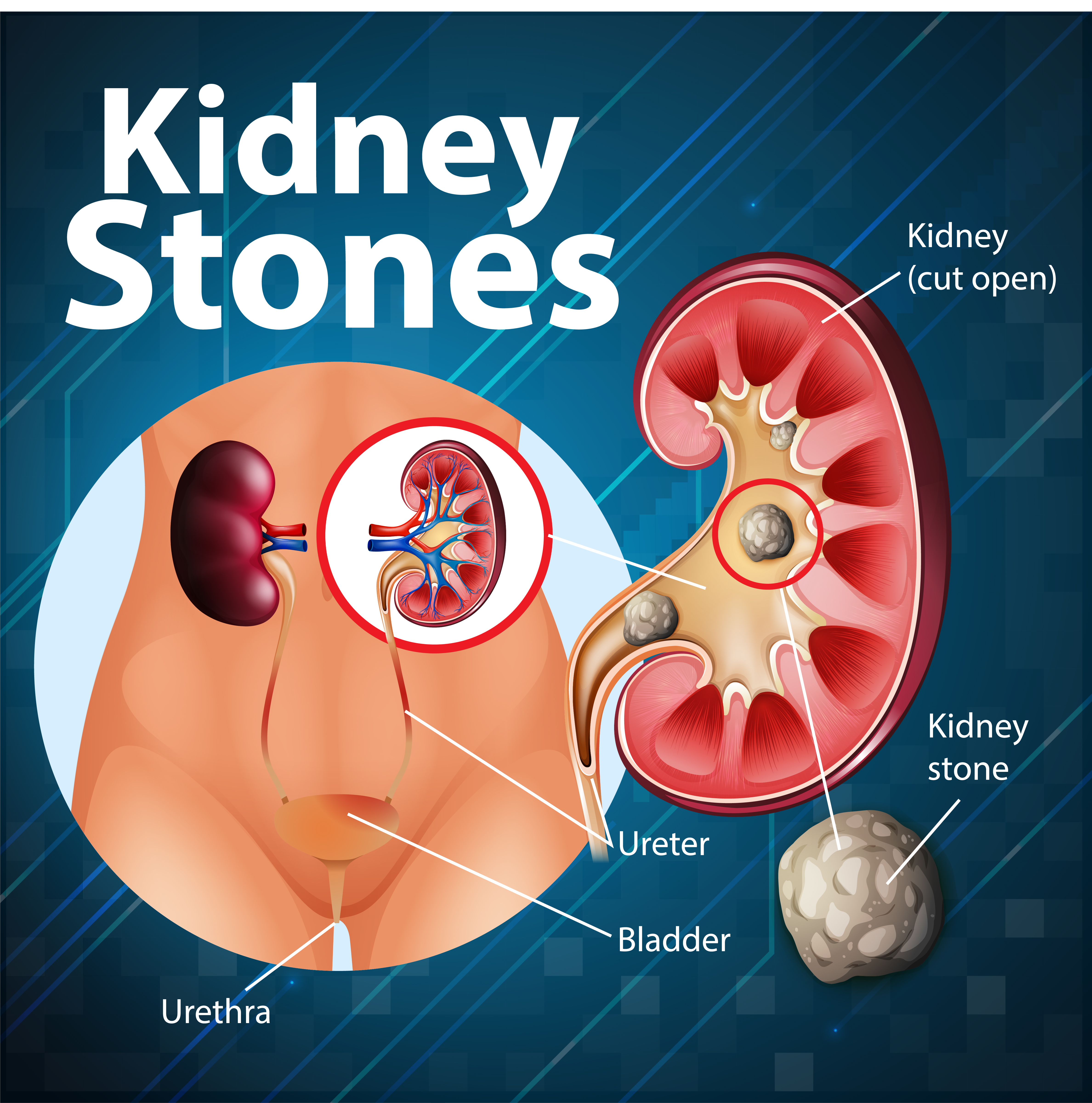
Blood-flow limitations, endothelial dysfunction, and cardiovascular risk shape both diagnosis and treatment.

Sleep, weight, diabetes risk, smoking, and fitness all influence long-term erectile health.